Why Regular Electrical Inspections Are Essential
Most electrical faults don’t announce themselves with sparks or power outages. They build quietly. A loose connection warms up behind a wall. An ageing switchboard struggles under modern loads. A safety switch stops tripping because it was never tested. The home or workplace still “works” until one day it doesn’t.
That’s what makes electrical inspections so valuable. They’re not about finding problems after something breaks. They’re about checking the system while it’s still functioning, identifying risk points early and fixing them before they turn into dangerous faults or costly repairs.
Whether you manage a workplace, own a rental property or simply want your household electrical system checked, regular inspections are one of the most practical ways to improve safety. They also help ensure work is compliant and carried out by a licensed electrician, which matters for insurance, liability and long-term maintenance.
This guide explains why inspections matter, what they involve and when it’s worth booking one with electricians Dubbo residents and businesses can call for clear advice and reliable servicing.
Electrical Problems Don’t Always Show Themselves Until It’s Too Late
Electrical systems are designed to run quietly in the background, which is why serious faults can develop without obvious symptoms. By the time warning signs appear, damage may already be underway.
- Heat damage and loose connections can build over months before any switch trips
- Water ingress and corrosion can affect outdoor circuits without visible signs inside
- Overloaded circuits can run “fine” until they’re pushed harder during peak use
Inspections help catch these silent issues before they become hazards. It’s the difference between preventative maintenance and an emergency callout after a failure.
Why You Need an Electrical Inspection (Even If Nothing Seems Wrong)
It’s easy to assume an inspection is only needed after a fault. In reality, the best time to inspect is before any issues arise. It’s a practical way to reduce risk and understand the condition of your electrical system.
- It helps identify wear, ageing components and early faults that aren’t visible day to day
- It reduces the likelihood of unexpected outages, equipment damage and electrical hazards
- It supports compliance for businesses and property owners who must manage safety obligations
If you’re asking why you need an electrical inspection, the short answer is that it helps prevent serious issues, not just respond to them.
What Does Electrical Inspection Entail? A Clear Walk-Through of the Process
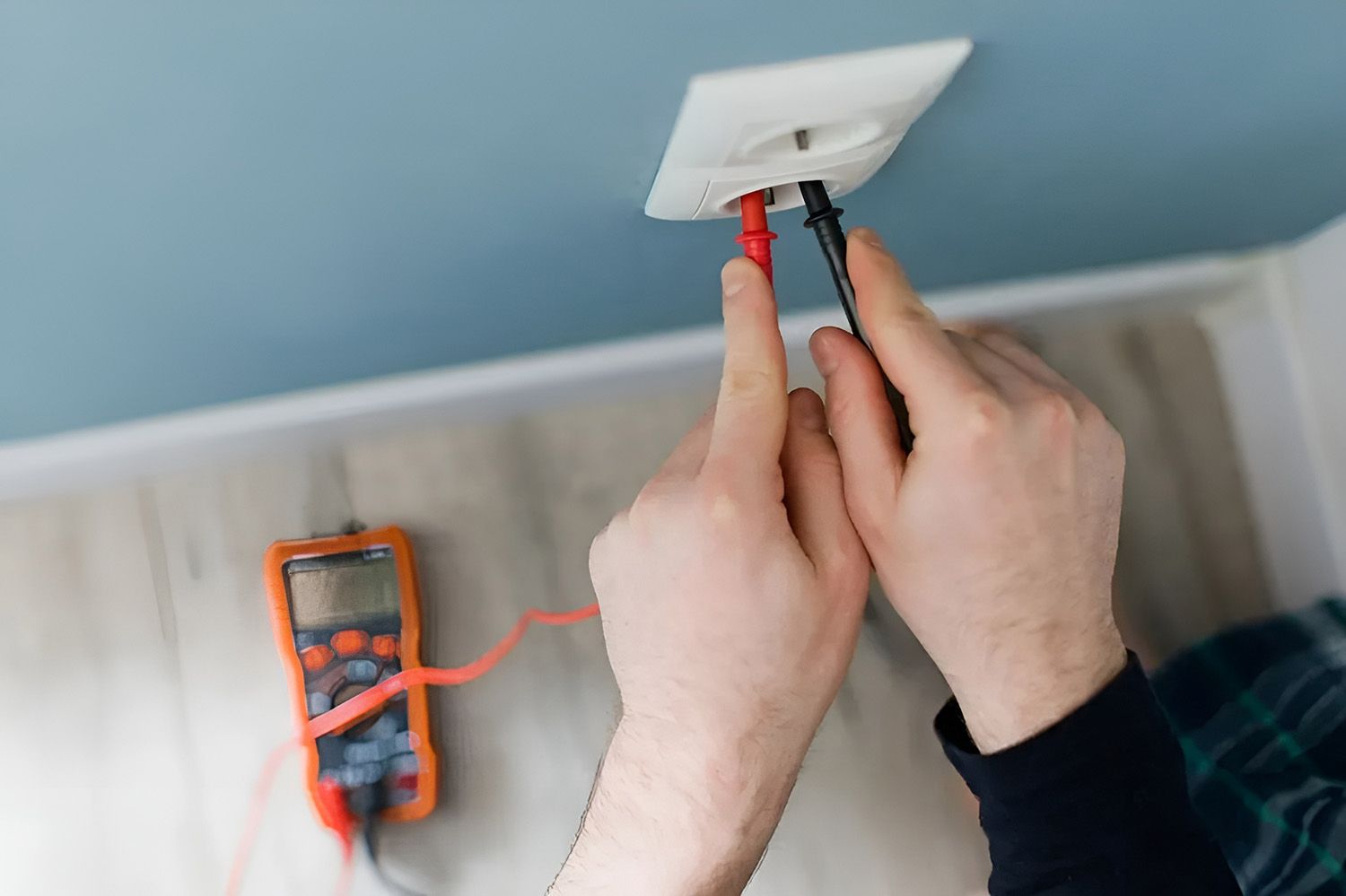
A proper inspection is more than a quick look at the switchboard. It includes a combination of visual checks, electrical testing and safety verification to identify faults and risks.
- Switchboard checks, including circuit breakers, wiring condition and heat damage indicators
- Testing safety switches (RCDs), earthing continuity and circuit performance
- Identifying overloaded circuits, outdated cabling and non-compliant or unsafe work
What does an electrical inspection entail in practical terms? It’s a structured assessment designed to confirm that the system is safe, stable and suitable for the load it’s carrying.
Switchboards and Safety Switches: The Heart of Your Electrical Safety
Switchboards do more than distribute power. They provide protection. If the switchboard is old, damaged or not designed for modern demand, it can become one of the biggest risk points in the building.
- Older switchboards may lack modern safety switches or rely on outdated protection systems
- Safety switches (RCDs) are designed to trip quickly to reduce the risk of electric shock
- Inspections identify corrosion, heat damage and loose connections that increase failure risk
If safety switches aren’t present, aren’t working correctly or haven’t been tested in years, an inspection can highlight the need for repairs or upgrades.
The Hidden Risks: Ageing Wiring, DIY Fixes and Overloaded Circuits
Many electrical faults stem from ageing materials, poor alterations, or demand that has outgrown the original installation. Homes and businesses today run far more appliances and equipment than they did decades ago.
- Old wiring insulation can degrade over time, creating risk when exposed or disturbed
- DIY electrical changes and unlicensed work can introduce unsafe wiring methods
- Powerboards and extension leads can mask a lack of proper outlets and overload circuits
An inspection helps determine whether the system is keeping up with modern use or being pushed beyond safe limits.
Rental Properties and Workplaces: Inspections That Support Safety and Compliance
For rentals and workplaces, inspections are not only about safety. They also relate to duty of care. Property owners and businesses have a responsibility to maintain and keep their electrical systems safe and functional.
- Inspections provide documented checks that support compliance and risk management
- They can identify issues before tenants or staff experience faults or hazards
- They help reduce liability exposure in the event of injury, damage or equipment failure
Regular inspections also support planned maintenance. That helps avoid the scramble of urgent repairs when a system fails at the worst time.
When to Book an Inspection: Renovations, New Appliances and Unusual Warning Signs
Some situations make inspections especially important. Renovations, new installations and changes in usage can put extra pressure on circuits, or disturb older wiring that was previously untouched.
- Flickering lights, tripping breakers, burning smells or buzzing sounds should be checked quickly
- Installing high-demand appliances (air conditioning, hot water, ovens) can require circuit upgrades
- Renovations and extensions are ideal times to check existing wiring and switchboard capacity
If something feels off, it’s worth checking. The goal isn’t to assume the worst, it’s to confirm safety and address issues early.
Inspection Findings That Save Money: Preventing Breakdowns and Major Repairs
It might not feel like it, but electrical inspections often reduce costs over time. That’s because many major failures start as minor issues that could have been corrected early.
- Loose terminals and heat damage can be fixed before they cause burnt wiring or outages
- Corrosion and water ingress can be addressed before circuits fail completely
- Load issues can be corrected before appliances suffer damage or systems begin tripping regularly
For businesses, preventing downtime is often as valuable as preventing hazards. That’s why regular checks are a practical investment, not just a safety measure.
If your home or workplace hasn’t been checked in years, or you’ve noticed flickering lights, tripping breakers or changes in performance, an inspection is a practical next step. Here at Pure Plumbing & Electrical, we provide safety-focused inspections and electrical servicing across Dubbo and surrounding areas, with clear reporting and advice from licensed electricians. To book an inspection or discuss what your property needs, visit
https://www.pureplumbelectrical.com.au/.